
Africa stands at the edge of an industrial transformation unlike anything seen in generations. As the world accelerates toward renewable energy, electric vehicles, battery storage, and green infrastructure, one truth has become impossible to ignore: clean energy technologies depend on minerals. Copper, lithium, manganese, nickel, cobalt, graphite, and rare earth elements are now among the most strategic resources on Earth.
For decades, mining was viewed through a narrow lens — an industry associated with environmental degradation, unequal wealth distribution, and unsustainable extraction. But a new era is emerging. The future belongs to companies that can redefine mining as a force for sustainability, innovation, community development, and energy transformation.
This is where Ntirho Resource enters the conversation.
The Global Shift Toward Clean Energy
The world is undergoing a historic energy transition. Governments, corporations, and investors are rapidly moving away from fossil fuels and investing heavily in renewable energy systems. Solar farms, wind turbines, electric vehicles, and battery technologies are becoming the foundation of modern economies.
However, these technologies require enormous quantities of minerals.
Electric vehicles require significantly more copper than traditional cars. Solar panels depend on aluminum, silicon, and silver. Wind turbines require rare earth minerals and steel. Battery systems depend on lithium, nickel, graphite, and cobalt.
As demand for clean energy rises, the demand for responsibly sourced minerals rises with it.
This creates both an opportunity and a responsibility for mining companies across Africa.
Africa’s Strategic Position in the Green Economy
Africa possesses some of the world’s richest mineral reserves. The continent holds major deposits of cobalt, manganese, platinum group metals, copper, lithium, and graphite — all essential to the clean energy economy.
Yet historically, Africa has exported raw materials while receiving limited long-term industrial benefits. The challenge now is not simply extraction. The challenge is value creation.
Forward-thinking companies must ask deeper questions:
- How can mining support local industrialization?
- How can communities benefit directly from resource wealth?
- How can environmental damage be minimized?
- How can technology improve operational sustainability?
- How can African mining become globally respected for ethical practices?
The companies that answer these questions successfully will shape the next generation of African industry.
Sustainability Is No Longer Optional
Modern mining cannot operate with outdated models. Investors, governments, and consumers increasingly demand transparency, environmental accountability, and measurable sustainability outcomes.
Sustainable mining involves:
- Reducing carbon emissions
- Responsible water management
- Land rehabilitation
- Renewable-powered operations
- Ethical labor practices
- Community investment
- Transparent governance
Mining companies that fail to adapt may struggle to attract global investment or international partnerships.
At the same time, companies that lead in sustainability have the opportunity to become trusted suppliers in the global clean energy supply chain.
Innovation Will Define the Industry
Technology is transforming mining operations worldwide.
Artificial intelligence, automation, drone surveying, satellite mapping, predictive maintenance, and digital monitoring systems are helping mining companies improve safety, reduce waste, and optimize production.
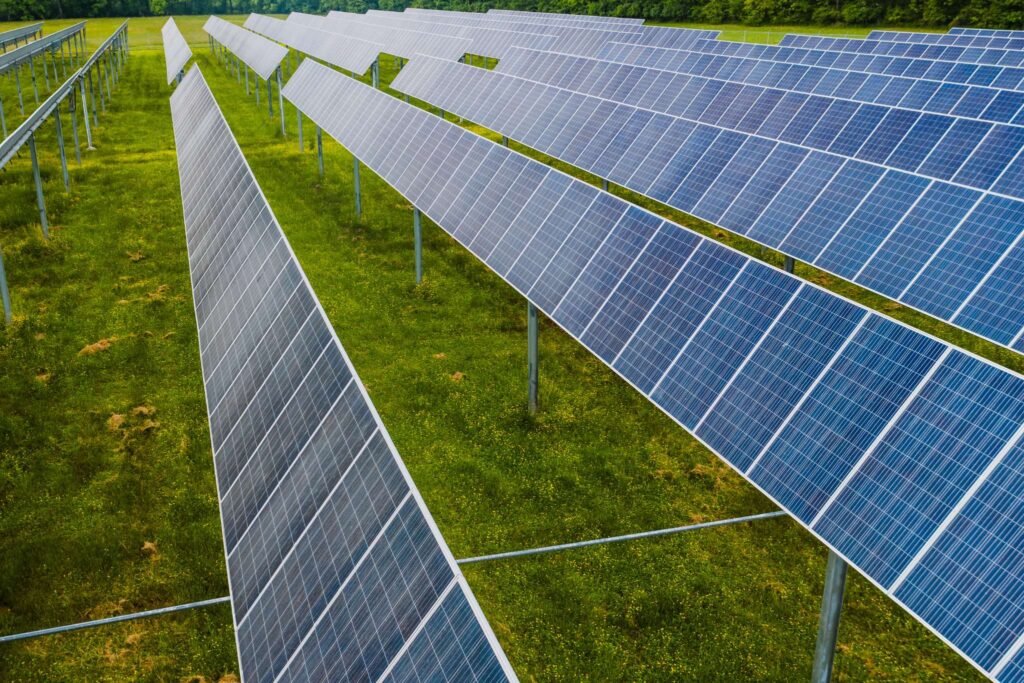
Clean energy mining also means integrating renewable energy into operations themselves. Solar-powered sites, electric machinery, energy-efficient processing systems, and smart infrastructure are becoming increasingly important.
The future mining company is not just an extractor of minerals. It is a technology-driven energy partner.
Community Development Must Be Central
Mining operations often exist in rural or economically underdeveloped regions. This creates an opportunity for mining companies to become engines of social transformation.
Responsible mining companies can contribute through:
- Local employment
- Skills development programs
- Infrastructure investment
- Water access projects
- Educational initiatives
- Enterprise development
- Renewable energy access
Communities should not merely observe mining activity around them. They should participate in the economic value it creates.
Long-term success depends on building trust and creating shared prosperity.
Why Clean Energy Mining Matters
The transition to renewable energy cannot happen without mining. Every electric vehicle battery, solar installation, transmission network, and wind turbine begins with minerals extracted from the earth.
This reality means mining companies now play a central role in climate solutions.
The challenge is ensuring those minerals are sourced responsibly, efficiently, and sustainably.
This is the defining opportunity for modern African mining companies.
The Vision Ahead for Ntirho Resource
The future belongs to mining companies that understand that sustainability and profitability are no longer opposites. They are interconnected.
Ntirho Resource has the opportunity to position itself as part of a new generation of African resource companies — companies built not only on extraction, but on innovation, responsibility, and long-term impact.
By embracing clean energy principles, environmental stewardship, technological advancement, and community empowerment, African mining companies can help power the global energy transition while building stronger local economies.
The world is changing rapidly.
The mining industry must change with it.
And Africa has the resources, talent, and potential to lead that transformation.